
Introduction
Work from home jobs have transformed the modern employment landscape. What once began as a limited option for freelancers and consultants has now evolved into a global workforce revolution. Advances in technology, high speed internet, cloud collaboration tools, and changing corporate cultures have made remote work not only possible but highly productive and profitable.
Today, work from home careers span across industries including IT, marketing, finance, education, healthcare, customer service, and entrepreneurship. Professionals no longer need to relocate or commute daily to build successful careers. Instead, they can work from the comfort of their homes while collaborating with global teams.
This comprehensive guide explores work from home jobs, career development opportunities, required skills, benefits, challenges, job categories, salary potential, and future trends shaping remote employment.
Understanding Work From Home Jobs
Work from home jobs refer to employment opportunities that allow professionals to perform their duties remotely without being physically present in an office. These roles may be fully remote or hybrid, depending on organizational policies.
Remote work is enabled through digital tools such as video conferencing platforms, project management software, cloud storage systems, and communication applications.
Employees, freelancers, and business owners all participate in the remote work ecosystem.
Evolution of Remote Work Culture
Remote work has grown rapidly over the past decade. Initially adopted by tech companies and startups, it expanded globally during pandemic periods when businesses were forced to operate virtually.
Post pandemic, many organizations retained remote or hybrid models due to increased productivity, reduced operational costs, and employee satisfaction.
This shift permanently changed how careers are built and managed.
Importance of Work From Home Jobs in Career Development
Work from home opportunities play a significant role in modern career development.
They provide access to global employers, flexible schedules, multiple income streams, and improved work life balance. Professionals can upskill, freelance, or manage businesses alongside full time remote roles.
Remote work has democratized employment by enabling opportunities regardless of geographic location.
Benefits of Work From Home Jobs
One of the biggest advantages of remote work is flexibility. Professionals can design work schedules that suit productivity patterns and personal responsibilities.
Eliminating daily commutes saves time, energy, and transportation costs. Employees often reinvest saved hours into skill development or additional work opportunities.
Remote jobs also expand employment access for parents, caregivers, and individuals with disabilities.
Organizations benefit through reduced office costs, wider talent pools, and higher retention rates.
Popular Categories of Work From Home Jobs
Remote employment spans multiple industries and skill levels.
Information Technology Jobs
IT remains the largest remote work sector. Roles include software developers, web designers, cybersecurity analysts, cloud engineers, and DevOps specialists.
These jobs offer high salaries and global career mobility.
Digital Marketing Jobs
Digital marketing professionals manage online brand presence. Roles include SEO specialists, social media managers, content marketers, email marketers, and PPC analysts.
Businesses rely heavily on digital marketing, making these roles highly demanded.
Content Writing and Editing
Content writers create blogs, website content, marketing copy, technical documentation, and scripts.
Editors and proofreaders refine written material for clarity and accuracy.
Writing roles are among the most accessible remote careers.
Graphic Design and Creative Roles
Designers create logos, social media creatives, advertisements, UI interfaces, and brand assets.
Creative professionals often freelance or work with agencies remotely.
Online Teaching and Tutoring
E learning platforms have created massive demand for remote educators.
Professionals teach academic subjects, languages, coding, music, and professional skills online.
Virtual classrooms and recorded courses generate scalable income.
Customer Support Jobs
Many companies outsource customer service remotely.
Roles include chat support agents, call center representatives, and technical support executives.
Strong communication skills are essential.
Data Entry and Administrative Jobs
Data entry clerks, virtual assistants, and administrative coordinators manage documentation, scheduling, and database systems remotely.
These roles require accuracy and organizational skills.
Finance and Accounting Jobs
Accountants, bookkeepers, payroll specialists, and financial analysts work remotely using cloud accounting tools.
Remote finance roles offer stability and high demand.
Translation and Transcription Jobs
Multilingual professionals work as translators or transcriptionists for media companies, legal firms, and healthcare providers.
Language expertise creates niche opportunities.
Freelancing and Consulting
Freelancers offer specialized services such as legal consulting, HR advisory, branding strategy, and IT consulting.
Consulting provides high income potential with flexibility.
Skills Required for Work From Home Careers
Remote work demands both technical and behavioral competencies.
Communication skills are essential for virtual collaboration. Professionals must express ideas clearly via video calls, emails, and messaging platforms.
Time management is critical since remote workers operate without physical supervision.
Self discipline ensures productivity and deadline adherence.
Digital literacy is mandatory. Workers must use collaboration tools, cloud systems, and project platforms efficiently.
Problem solving and adaptability help professionals manage remote work challenges independently.
Tools Used in Remote Work
Work from home jobs rely heavily on digital infrastructure.
Video conferencing tools enable virtual meetings and presentations.
Project management software tracks tasks and deadlines.
Cloud storage systems allow file sharing and collaboration.
Communication platforms facilitate instant messaging and team coordination.
Productivity tools help track work hours and performance metrics.
Mastering these tools improves remote efficiency.
How to Find Work From Home Jobs
Job seekers can explore multiple remote job channels.
Online job portals list remote opportunities globally.
Freelance platforms connect professionals with clients.
Company career pages advertise remote vacancies.
Networking on professional platforms uncovers hidden roles.
Social media communities also share remote hiring posts.
Consistency and customization improve job search success.
Building a Remote Work Resume
Remote resumes must highlight specific competencies.
Include remote collaboration experience, digital tool expertise, freelance projects, and communication strengths.
Employers value candidates who demonstrate independent work capabilities.
Portfolio links strengthen applications for creative and technical roles.
Freelancing vs Full Time Remote Jobs
Freelancing offers flexibility, multiple clients, and income scalability. However, income may fluctuate.
Full time remote jobs provide stability, fixed salaries, and employment benefits.
Professionals often start freelancing before transitioning into full time remote roles.
Salary Potential in Work From Home Jobs
Remote salaries vary by industry, skill level, and geography.
IT professionals command some of the highest remote salaries globally.
Digital marketers, designers, and consultants also earn competitive incomes.
Freelancers can scale earnings based on clients and project volume.
Remote work enables professionals to earn in stronger currencies while living in lower cost regions.
Advantages for Employers
Companies benefit significantly from remote hiring.
They save on office infrastructure, utilities, and operational expenses.
Global hiring expands access to diverse talent.
Employee satisfaction improves retention and productivity.
Remote models also support business continuity during crises.
Challenges of Work From Home Jobs
Despite benefits, remote work has challenges.
Isolation and lack of social interaction can impact mental health.
Work life boundaries may blur, causing burnout.
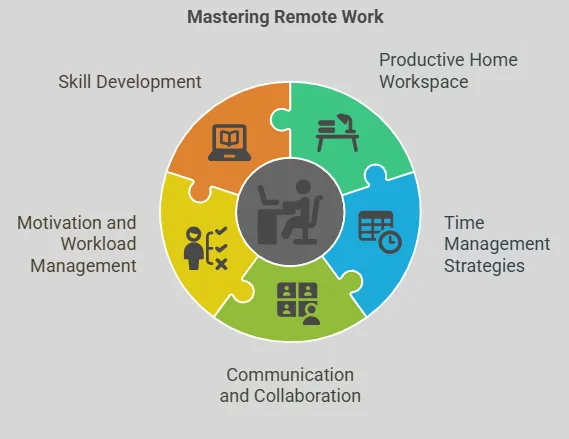
Distractions at home can reduce productivity.
Communication gaps may arise in distributed teams.
Cybersecurity risks increase with remote systems.
Overcoming Remote Work Challenges
Creating a dedicated workspace improves focus.
Setting fixed work hours maintains balance.
Regular virtual meetings strengthen team bonding.
Using productivity tools enhances accountability.
Taking breaks prevents burnout.
Organizations also provide wellness programs and virtual engagement activities.
Work Life Balance in Remote Careers
One major appeal of work from home jobs is balance.
Professionals can spend more time with family, pursue hobbies, and maintain health routines.
However, discipline is required to prevent overworking.
Boundary setting is key to sustainable remote careers.
Remote Work for Women and Caregivers
Work from home opportunities empower women and caregivers by enabling financial independence without compromising family responsibilities.
Flexible schedules allow professionals to manage childcare, elder care, and household commitments alongside careers.
Remote work has significantly increased workforce participation among women globally.
Entrepreneurship Through Remote Work
Many remote professionals transition into entrepreneurship.
Freelancers launch agencies.
Writers build content businesses.
Marketers start digital firms.
Developers create SaaS products.
Remote work reduces startup costs and infrastructure needs.
Legal and Payment Considerations
Remote professionals working internationally must understand contracts, taxation, and payment systems.
Freelancers often use global payment platforms for cross border transactions.
Clear agreements ensure financial security.
Future Trends in Work From Home Jobs
Remote work will continue expanding.
Hybrid models will dominate corporate structures.
AI tools will automate routine remote tasks.
Virtual reality may enable immersive meetings.
Global freelancing marketplaces will grow.
Skill based hiring will increase remote inclusivity.
Professionals who adapt to these trends will thrive.
Best Practices for Remote Career Growth
Continuously upgrade skills.
Attend virtual workshops and webinars.
Network through online communities.
Build personal brands.
Seek mentorship.
Track productivity metrics.
Remote career growth depends on visibility and performance.
Remote Work Productivity Tips
Start the day with planning.
Prioritize high impact tasks.
Avoid multitasking.
Take scheduled breaks.
Maintain ergonomic workspaces.
Healthy routines sustain long term efficiency.
Building a Long Term Remote Career
Sustainable remote careers require strategy.
Choose growth oriented industries.
Invest in certifications.
Build global networks.
Diversify income streams.
Maintain professional discipline.
Remote professionals must treat home offices with corporate seriousness.
Conclusion
Work from home jobs have redefined career development in the digital era. They offer flexibility, global exposure, financial growth, and entrepreneurial opportunities without geographic limitations.
From IT and marketing to teaching and consulting, remote careers span diverse industries and skill levels. While challenges such as isolation and discipline exist, structured routines and digital collaboration tools make remote work highly effective.
As technology advances and organizations embrace distributed workforces, remote employment will become a permanent pillar of the global economy.
Professionals who invest in skills, digital literacy, and personal branding can build highly successful work from home careers. The future of work is not confined to office walls — it exists wherever talent, technology, and opportunity connect.
Work from home is no longer an alternative career path. It is a mainstream, future ready employment model shaping the next generation of global professionals.