
We spend a huge portion of our lives at work. From the time we wake up on Monday morning until we finish on Friday evening, our jobs define our daily routines, our stress levels, and our financial security. Because we spend so much time “doing,” we often forget to spend time “thinking” about where we are actually going. This is why career goal setting is so important. Without a plan, you are like a ship in the middle of the ocean without a map; you are moving, but you might not be getting any closer to land. In this guide, we are going to explore the world of career goal setting in simple, plain English. We will use a friendly, human tone to show you that planning your future doesn’t have to be scary or complicated. Whether you are just starting your first job, looking to change industries, or aiming for a big promotion, these career goal setting strategies will help you take control of your professional life and find true satisfaction in what you do.
Why Career Goal Setting is Your Secret Weapon for Growth
Most people approach their jobs by simply reacting to what happens. They finish the tasks their boss gives them, they wait for their yearly review, and they hope for a raise. But the most successful people are proactive. They use career goal setting to decide what they want their life to look like in three, five, or ten years. When you have clear goals, you stop wasting energy on things that don’t matter. You start saying “yes” to projects that help you grow and “no” to things that keep you stuck. Career goal setting gives you a sense of purpose. It turns a boring “job” into an exciting “career.” When you know what you are working toward, even the difficult days feel like a necessary step on the path to something great.
The Difference Between Short Term and Long Term Career Goal Setting
To be successful, you need to think about time in two ways. Long-term career goal setting is about the “big picture.” This is the answer to the question, “Where do I want to be in ten years?” Maybe you want to be a CEO, start your own business, or become an expert in a specific technology. Short-term career goal setting is about the next six to twelve months. These are the small, manageable steps that help you reach the big goal. For example, if your long-term goal is to be a manager, a short-term goal might be taking a leadership course or volunteering to lead a small team project. Effective career goal setting requires both. The long-term goal keeps you inspired, while the short-term goals keep you moving forward day by day.
Using the SMART Method for Effective Career Goal Setting
One of the best tools for career goal setting is the SMART method. This is an acronym that stands for Specific, Measurable, Achievable, Relevant, and Time-bound. A goal like “I want to be better at my job” is too vague and usually fails. But a SMART goal for career goal setting would be: “I will complete a certification in Python programming by December 31st to qualify for a Junior Developer role.” This goal is specific (Python), measurable (the certificate), achievable (it is a realistic course), relevant (it helps the career change), and time-bound (December 31st). When you use this method for your career goal setting, you create a clear checklist for success that removes the guesswork from your progress.
Identifying Your Core Values and Interests in Career Goal Setting
Before you start writing down your career goal setting list, you need to look inward. What actually makes you happy? Some people value a high salary above everything else. Others value flexibility, the ability to work from home, or the feeling that they are helping people. If your career goal setting is only about money but you value creativity, you will eventually become miserable. Take some time to write down your “Core Values.” Are you a problem solver? Do you like working alone or in a team? Your career goal setting should align with who you are as a person. When your work matches your values, you don’t just work harder; you work better and feel more fulfilled at the end of the day.
The Role of Skill Building in Career Goal Setting
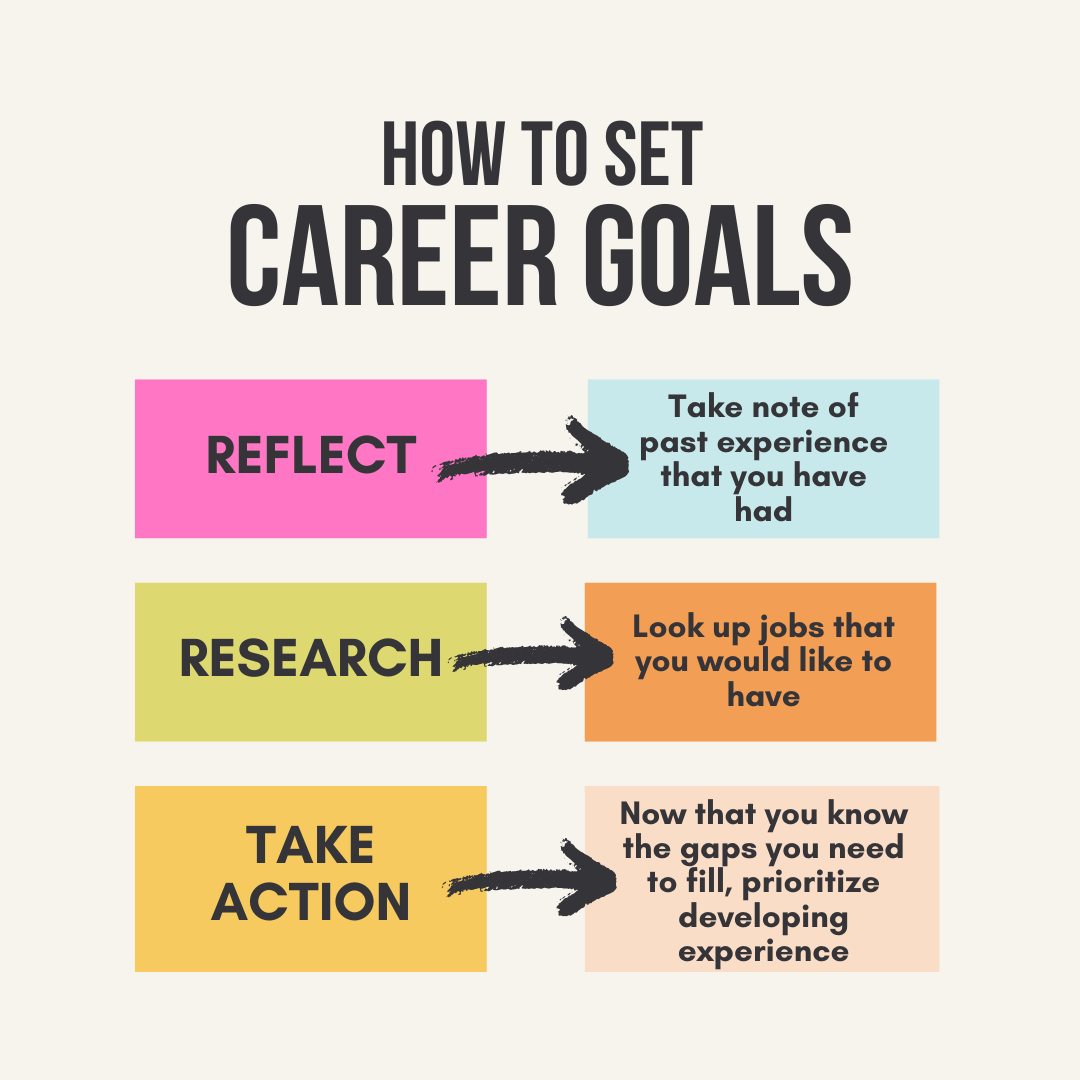
The world of work is changing faster than ever, especially in 2026. This means that a major part of your career goal setting must be “Upskilling” or “Reskilling.” You cannot reach a higher level in your career using only the skills you have today. Look at the job you want next. What skills do the people in those roles have that you are missing? Maybe it is a technical skill like data analysis, or a “soft skill” like public speaking or emotional intelligence. Include these in your career goal setting. Dedicate at least two hours a week to learning something new. Think of your skills as a toolkit; the more tools you have, the more problems you can solve, and the more valuable you become to any employer.
Networking: The Social Side of Career Goal Setting
We often think of career goal setting as something we do alone at our desks, but other people are a huge part of your success. Your goals should include “Networking” targets. This doesn’t mean being fake or “using” people. It means building real relationships with people in your industry. A good career goal setting target might be: “I will have one coffee chat per month with someone in a role I admire.” These conversations can give you “insider information” that you can’t find in a job description. They can lead to mentorships and job referrals. In fact, many of the best jobs are never even advertised; they are filled through word-of-mouth. Including people in your career goal setting plan is the fastest way to open doors that would otherwise stay locked.
Overcoming Fear and the “Imposter Syndrome” in Career Goal Setting
When you start dreaming big with your career goal setting, a small voice in your head might say, “You aren’t good enough for that” or “Who do you think you are?” This is called Imposter Syndrome, and almost everyone feels it. The trick to career goal setting is to set goals that are slightly “uncomfortable.” If your goals don’t scare you a little bit, they probably aren’t big enough. When you feel fear, try to reframe it as excitement. It means you are pushing your boundaries. A vital part of career goal setting is building resilience—the ability to keep going even when you feel nervous or when things go wrong. Remember, every expert was once a beginner who refused to quit.
The Importance of Flexibility in Your Career Goal Setting Plan
While having a plan is essential, being too rigid can actually hurt you. Life is unpredictable. Industries change, new technologies appear, and your own interests might shift. A smart approach to career goal setting involves a “Review and Adjust” phase. Every six months, look at your goals. Ask yourself: “Does this still matter to me?” or “Is there a better way to get there?” It is perfectly okay to change your career goal setting plan. Changing your mind isn’t failing; it is “pivoting.” Being flexible allows you to take advantage of unexpected opportunities that you might have missed if you were too focused on a single, narrow path.
Tracking Progress and Celebrating Wins in Career Goal Setting
One reason people give up on their career goal setting is that they only focus on the finish line. If your goal takes five years to reach, you will get discouraged along the way. To stay motivated, you must track your progress and celebrate the “Small Wins.” If you finished a difficult project, learned a new software, or successfully negotiated a small raise, celebrate it! This creates a positive feedback loop in your brain. In your career goal setting journal, write down three things you achieved every month. Seeing how far you have come will give you the energy to keep going when the path gets steep. Small steps are what actually build a big career.
Conclusion: Starting Your Career Goal Setting Journey Today
In conclusion, your career is a journey that you get to design. By using career goal setting, you move from the passenger seat into the driver’s seat. We have looked at why goals matter, the SMART method, the importance of values, and the need for skill building and networking. We have also discussed how to handle fear and the importance of staying flexible.
The most important thing to remember about career goal setting is that you need to start. Don’t wait for the “perfect” time or the “perfect” plan. Take a piece of paper right now and write down one thing you want to achieve in your work life by this time next year. That one sentence is the beginning of a whole new chapter. You have the talent and the potential to build a career that you love. Use career goal setting to make it happen. The future is waiting for you—go out and claim it!