
Introduction
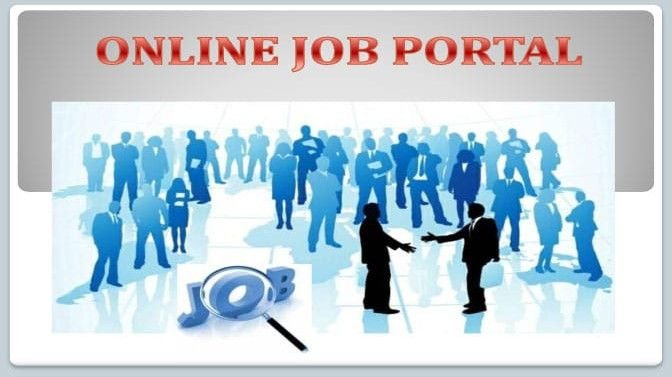
Online job portals and applications have transformed the global recruitment landscape by making job searching faster, more accessible, and highly efficient. Gone are the days when candidates relied solely on newspaper ads or walk in applications. Today, digital platforms connect millions of job seekers with employers across industries and geographies in real time.
From entry level roles to executive leadership positions, online job portals host opportunities for professionals of all experience levels. These platforms enable candidates to upload resumes, apply instantly, track application status, receive recruiter messages, and schedule interviews — all from a single dashboard.
With the rise of remote work, freelancing, and global hiring, online job portals have become essential tools for modern career development. Understanding how to use them strategically can significantly improve interview calls and hiring success.
This comprehensive guide explores online job portals, application strategies, profile optimization, job alerts, ATS systems, common mistakes, and future recruitment trends.
Understanding Online Job Portals
Online job portals are digital platforms where employers post job openings and candidates apply electronically.
They act as intermediaries connecting recruiters and job seekers through searchable databases.
Candidates create profiles, upload resumes, and apply for roles aligned with their skills and career goals.
Employers use portals to source, filter, and shortlist talent efficiently.
Importance of Online Job Applications
Online applications streamline recruitment processes.
They enable instant job discovery.
Candidates can apply to multiple roles quickly.
Recruiters access large talent pools.
Application tracking improves transparency.
Digital hiring saves time for both parties.
Types of Online Job Portals
Different job portals serve different hiring needs.
General Job Portals
Host opportunities across industries and roles.
Niche Job Portals
Focus on specific sectors such as IT, healthcare, or education.
Remote Job Portals
Specialize in work from home opportunities.
Freelance Marketplaces
Connect independent professionals with project based clients.
Government Job Portals
Publish public sector vacancies.
Understanding portal categories improves job targeting.
Creating an Optimized Job Portal Profile
Profile optimization increases recruiter visibility.
Upload professional photographs where applicable.
Add complete work experience details.
Include certifications and skills.
Use keyword rich job titles.
Complete profiles rank higher in recruiter searches.
Resume Upload & Optimization
Upload ATS friendly resumes.
Use relevant industry keywords.
Update resumes regularly.
Include measurable achievements.
Optimized resumes improve shortlist chances.
Using Job Filters Effectively
Filters refine job searches.
Narrow roles by location, salary, experience, and industry.
Use remote or hybrid filters where relevant.
Advanced filtering saves time.
Setting Job Alerts
Job alerts notify candidates of new postings.
Set alerts based on preferred roles and locations.
Real time notifications enable early applications.
Early applicants gain recruiter advantage.
Applying Strategically
Avoid mass applying randomly.
Focus on relevant roles.
Customize resumes per job description.
Add personalized cover letters.
Strategic applications yield higher response rates.
Understanding Applicant Tracking Systems
Many employers use ATS software to screen resumes.
ATS scans keywords, skills, and experience relevance.
Poorly optimized resumes may be rejected automatically.
Understanding ATS improves application success.
Direct Company Applications
Many organizations post openings on official career pages.
Direct applications reduce competition.
They demonstrate genuine employer interest.
Combining portal and direct applications maximizes exposure.
Networking Through Job Portals
Candidates can connect with recruiters directly.
Engage professionally through platform messaging tools.
Networking enhances visibility.
Referrals increase hiring chances.
Tracking Application Status
Most portals allow application tracking.
Monitor shortlist updates.
Prepare interviews proactively.
Tracking ensures organized job search management.
Mobile Job Applications
Many portals offer mobile apps.
Candidates can apply instantly via smartphones.
Mobile alerts ensure real time job updates.
Mobile accessibility increases application speed.
Freelance & Gig Applications
Freelance platforms operate similarly to job portals.
Create service profiles.
Bid on projects.
Showcase portfolios.
Freelance applications expand income opportunities.
Remote Job Applications
Remote hiring portals list global roles.
Highlight remote work skills.
Prepare for virtual interviews.
Remote applications enable international careers.
Common Mistakes in Online Job Applications
Incomplete profiles.
Outdated resumes.
Applying to irrelevant roles.
Ignoring recruiter messages.
Using unprofessional email addresses.
Avoiding mistakes improves hiring outcomes.
Resume Keyword Optimization for Portals
Recruiter searches rely on keywords.
Include job titles, skills, tools, and certifications.
Use industry specific terminology.
Keyword optimization improves profile ranking.
Using Multiple Job Portals
Avoid relying on a single platform.
Register on multiple portals.
Diversified presence increases opportunities.
Profile Activity & Engagement
Regular logins improve profile visibility.
Update resumes periodically.
Engage with job recommendations.
Active users rank higher in recruiter searches.
Interview Scheduling Through Portals
Many portals facilitate interview scheduling.
Candidates receive automated interview invites.
Virtual interview integration simplifies hiring.
Employer Research via Job Portals
Candidates can review company profiles.
Assess employee reviews and ratings.
Understand work culture insights.
Employer research supports informed decisions.
Job Scam Awareness & Safety Tips
Beware of fraudulent job postings.
Avoid paying application fees.
Verify recruiter authenticity.
Use trusted job portals only.
Safety awareness protects job seekers.
Benefits of Online Job Portals
Access to global job markets.
Instant application capabilities.
Profile visibility to recruiters.
Remote job discovery.
Career growth opportunities.
Digital recruitment convenience enhances job search efficiency.
Challenges of Online Job Applications
High competition.
Automated resume rejections.
Delayed recruiter responses.
Information overload.
Strategic application planning mitigates challenges.
Future Trends in Online Recruitment
AI driven job matching will expand.
Video resumes will integrate into portals.
Skill assessments will replace resume screening.
Blockchain verified credentials may emerge.
Automation will streamline hiring processes.
Building a Long Term Job Portal Strategy
Maintain updated profiles.
Set regular job alerts.
Track applications systematically.
Network with recruiters.
Invest in resume optimization.
Strategic portal usage ensures sustained opportunities.
Online Job Applications for Freshers
Focus on internships and entry level roles.
Highlight academic achievements.
Complete profiles thoroughly.
Freshers must demonstrate learning potential.
Online Job Applications for Experienced Professionals
Highlight leadership experience.
Showcase measurable performance outcomes.
Target senior roles strategically.
Work From Home Job Portal Strategies
Use remote job filters.
Highlight digital collaboration skills.
Prepare for flexible shift roles.
Remote portals expand employment reach.
Conclusion
Online job portals and applications have revolutionized how professionals discover and secure employment opportunities. By offering instant access to global job markets, digital applications, and recruiter connectivity, these platforms have become indispensable tools for modern job seekers.
However, success on job portals requires more than profile creation. Strategic applications, resume optimization, keyword integration, networking, and consistent engagement significantly improve hiring outcomes.
As recruitment technology evolves with AI screening, virtual interviews, and skill based hiring, professionals must adapt their application strategies accordingly. By mastering online job portal usage, candidates can unlock faster job opportunities, global career mobility, and long term professional growth in the digital employment era.