
Introduction
Body language and communication skills are among the most powerful tools for personal and professional success. While technical knowledge and qualifications open career opportunities, the ability to communicate effectively and present oneself confidently determines long term growth, leadership potential, and workplace influence.
Studies suggest that a large portion of communication is non verbal, conveyed through posture, facial expressions, gestures, eye contact, and tone of voice. This makes body language just as important as spoken words. In interviews, meetings, presentations, negotiations, and everyday workplace interactions, communication style shapes how others perceive competence, confidence, and credibility.
In the modern workplace — especially in hybrid and remote environments — professionals must master both in person and virtual communication. Strong communication builds trust, improves collaboration, resolves conflicts, and enhances leadership effectiveness.
This comprehensive guide explores body language fundamentals, verbal communication techniques, workplace applications, common mistakes, improvement strategies, and future trends in professional communication.
Understanding Body Language
Body language refers to the non verbal signals individuals use to communicate emotions, intentions, and attitudes.
It includes posture, hand gestures, facial expressions, eye movements, physical distance, and even breathing patterns.
Body language often communicates more than words because it reflects subconscious feelings.
Positive body language enhances professional presence.
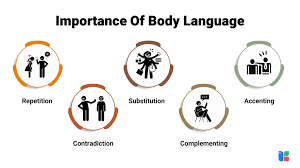
Importance of Body Language in Professional Settings
Creates strong first impressions.
Demonstrates confidence and authority.
Builds trust and rapport.
Enhances interview performance.
Strengthens leadership influence.
Improves negotiation outcomes.
Professionals with confident body language are perceived as more competent.
Types of Body Language Signals
Body language can be categorized into several forms.
Facial expressions convey emotions.
Gestures emphasize spoken messages.
Posture reflects confidence levels.
Eye contact indicates attention and honesty.
Proximity reflects comfort and respect boundaries.
Understanding these signals improves communication effectiveness.
Posture & Professional Presence
Posture directly impacts how others perceive you.
Sit upright with relaxed shoulders.
Avoid slouching or leaning excessively.
Stand confidently during presentations.
Strong posture communicates confidence and engagement.
Eye Contact & Engagement
Eye contact builds connection and trust.
Maintain natural eye contact during conversations.
Avoid staring aggressively.
Look at different participants during group discussions.
Balanced eye contact signals attentiveness.
Hand Gestures & Expression
Hand movements emphasize verbal points.
Use open gestures to appear approachable.
Avoid excessive or distracting movements.
Controlled gestures enhance message clarity.
Facial Expressions & Emotional Communication
Facial expressions reveal emotions instantly.
Smile when appropriate.
Avoid frowning or appearing disinterested.
Maintain neutral yet attentive expressions in professional settings.
Facial alignment with speech builds authenticity.
Personal Space & Proximity
Respect physical boundaries in workplace environments.
Standing too close may create discomfort.
Maintaining appropriate distance reflects professionalism.
Understanding Verbal Communication Skills
Verbal communication involves spoken words used to convey information, ideas, and emotions.
It includes clarity, tone, pace, vocabulary, and articulation.
Strong verbal communication ensures message accuracy.
Importance of Communication Skills at Work
Enhances teamwork and collaboration.
Reduces misunderstandings.
Improves leadership effectiveness.
Strengthens client relationships.
Supports conflict resolution.
Communication is central to workplace productivity.
Elements of Effective Verbal Communication
Clarity ensures message understanding.
Tone reflects emotional intent.
Pace controls listener engagement.
Vocabulary demonstrates professionalism.
Listening ensures two way communication.
Balanced elements create impactful conversations.
Active Listening Skills
Communication is incomplete without listening.
Maintain eye contact while listening.
Avoid interrupting speakers.
Ask clarifying questions.
Paraphrase to confirm understanding.
Active listening builds trust.
Tone of Voice & Vocal Delivery
Tone influences message interpretation.
Use confident but respectful tone.
Avoid monotony.
Modulate voice to emphasize key points.
Vocal delivery enhances persuasion.
Professional Vocabulary & Language Choice
Use clear and concise language.
Avoid slang or overly casual expressions.
Adapt vocabulary to audience context.
Professional language strengthens credibility.
Communication in Job Interviews
Communication determines interview outcomes.
Answer clearly and confidently.
Avoid rambling responses.
Use structured storytelling methods.
Interview communication reflects preparedness.
Workplace Communication Etiquette
Respect hierarchical communication structures.
Use professional email language.
Avoid interrupting meetings.
Respond promptly to messages.
Etiquette ensures smooth collaboration.
Non Verbal Communication in Meetings
Nod to show agreement.
Maintain attentive posture.
Avoid checking phones frequently.
Non verbal cues signal engagement.
Presentation & Public Speaking Communication
Presentations require combined verbal and body language mastery.
Maintain confident stance.
Use purposeful gestures.
Speak clearly and at moderate pace.
Engage audiences through eye contact.
Effective presenters influence decisions.
Communication in Remote Work Environments
Virtual communication requires adjustments.
Maintain camera eye contact.
Use clear audio delivery.
Avoid multitasking during calls.
Digital professionalism reflects engagement.
Cross Cultural Communication Awareness
Global workplaces include diverse cultures.
Understand communication norms.
Respect language differences.
Adapt gestures and expressions appropriately.
Cultural awareness prevents misunderstandings.
Conflict Resolution Communication
Conflicts require calm communication.
Listen to all perspectives.
Use neutral language.
Focus on solutions rather than blame.
Effective communication resolves disputes professionally.
Leadership Communication Skills
Leaders must communicate vision clearly.
Motivate teams through inspiring messages.
Provide constructive feedback.
Transparent communication builds trust.
Leadership influence depends on communication mastery.
Negotiation Communication Techniques
Negotiations require strategic messaging.
Maintain confident posture.
Control tone and pace.
Listen actively to counteroffers.
Negotiation success relies on communication balance.
Communication Barriers
Language differences.
Emotional stress.
Poor listening habits.
Cultural misunderstandings.
Technological disruptions.
Identifying barriers helps overcome them.
Improving Body Language Skills
Practice mirror exercises.
Record mock presentations.
Observe confident speakers.
Maintain awareness of posture and gestures.
Consistent practice builds confidence.
Improving Communication Skills
Engage in public speaking.
Participate in group discussions.
Read and expand vocabulary.
Practice storytelling techniques.
Continuous learning enhances articulation.
Common Body Language Mistakes
Avoiding eye contact.
Crossed arms posture.
Excessive fidgeting.
Slouching during meetings.
These signals reduce perceived confidence.
Common Communication Mistakes
Speaking too fast.
Using filler words excessively.
Interrupting others.
Providing unclear responses.
Avoiding mistakes improves professionalism.
Measuring Communication Effectiveness
Observe audience reactions.
Seek feedback from peers.
Monitor presentation outcomes.
Communication improvement requires evaluation.
Body Language in Leadership Roles
Leaders must project authority.
Maintain open posture.
Use deliberate gestures.
Confident presence inspires teams.
Emotional Intelligence & Communication
Emotional awareness improves communication.
Understand others’ feelings.
Respond empathetically.
Emotionally intelligent communication strengthens relationships.
Technology & Communication Evolution
Digital tools have reshaped communication.
Video conferencing dominates meetings.
Instant messaging accelerates collaboration.
Virtual communication requires new etiquette norms.
Future Trends in Communication Skills
AI driven communication coaching will grow.
Virtual reality presentations may emerge.
Cross cultural communication demand will increase.
Soft skills will dominate hiring evaluations.
Future workplaces will prioritize communication excellence.
Building a Personal Communication Development Plan
Assess strengths and weaknesses.
Practice daily communication exercises.
Join speaking clubs or workshops.
Seek mentorship and feedback.
Structured development accelerates mastery.
Conclusion
Body language and communication skills form the foundation of professional success. While knowledge and technical expertise open doors, the ability to express ideas confidently and connect with others determines long term career growth.
From interviews and presentations to leadership and negotiations, effective communication enhances influence, trust, and credibility. Positive body language reinforces spoken messages, creating stronger professional presence.
As workplaces become more collaborative, global, and digitally connected, mastering communication will remain one of the most valuable career assets. By investing in continuous improvement, practicing active listening, refining verbal delivery, and maintaining confident body language, professionals can unlock greater opportunities, leadership roles, and lasting workplace success.