
Introduction
In today’s competitive and rapidly evolving employment landscape, job searching is no longer a simple process of submitting resumes and waiting for responses. It has transformed into a strategic, multi channel effort that requires planning, research, personal branding, networking, and continuous skill development.
Whether you are a fresher entering the workforce, a professional seeking career growth, or someone planning a career transition, mastering job search strategies is essential for long term career development. A smart job search not only helps you secure employment faster but also ensures you find roles aligned with your skills, goals, and values.
This comprehensive guide explores modern job search strategies, proven techniques, digital tools, networking approaches, common mistakes, and future trends shaping the hiring ecosystem.
Understanding Job Search in Career Development
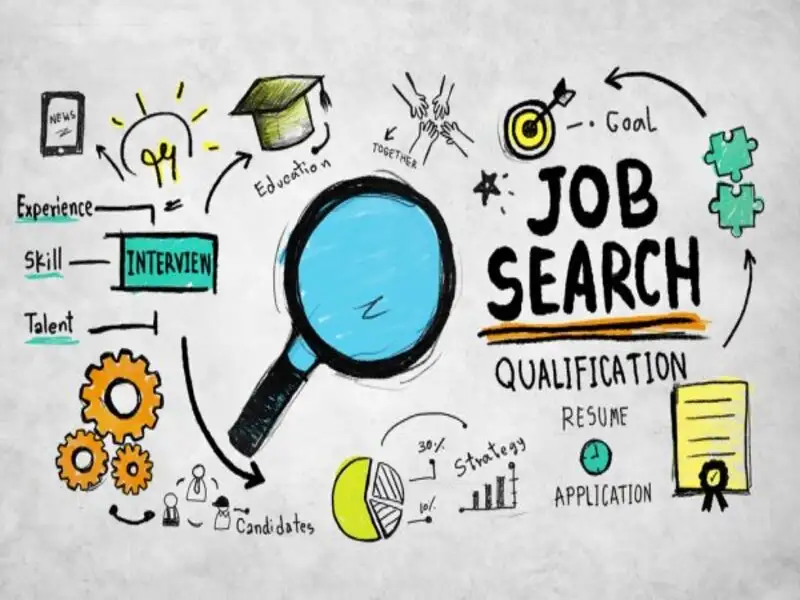
Job search is a structured process of identifying employment opportunities, applying for relevant roles, and securing a position that contributes to career growth. It is not just about finding any job but about finding the right job that supports professional development, financial stability, and personal fulfillment.
A strategic job search aligns with career goals, skill strengths, industry demand, salary expectations, and work life balance. Without strategy, job seekers often face rejection, frustration, and career stagnation.
Importance of Job Search Strategies
Job search strategies save time and effort by focusing on targeted opportunities instead of random applications. They improve success rates by increasing interview calls and help candidates secure roles aligned with long term career goals. Structured searching also builds a professional brand and reduces stress by creating clarity and direction.
Self Assessment and Career Clarity
Before starting a job search, self evaluation is critical. Candidates must analyze their skills, strengths, weaknesses, interests, values, and career aspirations. Understanding whether you prefer corporate roles, startups, remote work, or entrepreneurship helps narrow your search focus.
Clarity prevents wasted effort and ensures you pursue opportunities aligned with your personality and ambitions.
Defining Job Search Goals
Setting clear goals makes job searching measurable and structured. Examples include securing an entry level job within three months, transitioning industries within six months, or achieving a managerial role within a year.
Defined timelines create urgency and maintain motivation throughout the process.
Resume and Portfolio Preparation
Your resume is your primary marketing document. It must highlight achievements, quantify results, and include relevant keywords from job descriptions. Customizing resumes for each application significantly improves shortlisting chances.
Portfolios are essential for creative and technical professionals such as designers, developers, writers, and marketers. Showcasing live projects, case studies, and measurable results strengthens credibility.
Building a Strong Online Presence
Recruiters frequently research candidates online before interviews. Maintaining a professional digital presence is crucial.
Optimize LinkedIn profiles, build personal websites, upload portfolios, and share industry insights. A strong online brand attracts recruiters organically and establishes thought leadership.
Using Multiple Job Search Channels
Relying on one job portal limits opportunities. Effective job seekers diversify their search across company career pages, recruitment agencies, freelance platforms, social media hiring posts, and professional communities.
Multi channel searching increases visibility and success probability.
Networking as a Job Search Strategy
Networking remains one of the most powerful job search tools. Many roles are filled through referrals before public posting.
Attending industry events, joining professional associations, engaging on LinkedIn, and leveraging alumni networks can unlock hidden opportunities. Relationship building should focus on mutual value rather than immediate job requests.
Direct Company Applications
Applying directly through company websites demonstrates initiative and genuine interest. Competition is often lower than on public job boards, and applications reach HR teams faster.
Creating a target company list and applying consistently improves interview chances.
Recruitment Agencies and Headhunters
Recruitment agencies connect candidates with employers and often provide access to exclusive openings. They assist with resume improvements, interview scheduling, and salary negotiation guidance.
Maintaining updated profiles with multiple agencies expands reach.
Social Media Job Hunting
Social media platforms have become powerful hiring ecosystems. Recruiters actively post openings on LinkedIn, Twitter, and professional Facebook groups.
Engaging with posts, commenting professionally, and sharing expertise increases visibility among hiring managers.
Job Alerts and Automation
Setting automated job alerts ensures instant notifications for relevant openings. Early applications often receive higher consideration due to lower competition.
Automation tools save time and maintain consistency in job search efforts.
Skill Development During Job Search
Unemployment or transition periods should be used productively. Pursuing certifications, online courses, internships, or freelance projects enhances employability.
Continuous learning signals proactivity to employers and strengthens resumes.
Internship and Apprenticeship Strategies
Internships provide real world exposure, industry knowledge, and networking opportunities. Many organizations convert interns into full time employees based on performance.
Freshers especially benefit from internships as they bridge academic and corporate environments.
Freelancing as a Job Search Strategy
Freelancing builds practical experience while generating income. Popular freelance domains include content writing, graphic design, web development, and digital marketing.
Freelance portfolios often lead to full time employment offers.
Accessing the Hidden Job Market
A significant percentage of jobs are never publicly advertised. These roles are filled through referrals, networking, and internal hiring.
Building recruiter relationships and maintaining active industry connections helps access this hidden market.
Geographic and Remote Job Search Expansion
Expanding job searches beyond local geography increases opportunities. Remote work allows professionals to work for global companies without relocation.
Hybrid and relocation roles further expand career possibilities.
Government and Public Sector Job Strategies
Public sector jobs require structured preparation involving entrance exams, eligibility verification, and syllabus based study. Tracking notifications and practicing mock tests improves success rates.
Government roles offer stability, benefits, and long term security.
Startups vs Corporate Job Search
Startup jobs offer rapid growth, innovation exposure, and multi functional responsibilities. Corporate jobs provide stability, structured hierarchies, and defined promotion pathways.
Candidates should choose based on risk appetite and career vision.
Time Management in Job Search
Job searching should be treated like a full time job. Allocating daily hours to applications, networking, skill building, and research ensures steady progress.
Consistency is more impactful than sporadic effort.
Tracking Applications
Maintaining records of applied roles, company names, interview dates, and follow ups keeps job searches organized and efficient.
Tracking prevents duplicate applications and missed opportunities.
Interview Preparation Integration
Interview readiness should begin alongside job applications. Practicing answers, researching companies, and conducting mock interviews reduces last minute stress.
Preparation improves confidence and performance.
Handling Job Rejections
Rejections are inevitable in job searching. Instead of discouragement, candidates should seek feedback, refine resumes, improve skills, and continue applying.
Each rejection provides learning that improves future outcomes.
Psychological Resilience
Long job searches can impact mental health. Maintaining routines, exercising, practicing mindfulness, and seeking peer support sustains motivation.
Mental strength is essential for consistent performance.
Salary Research and Market Awareness
Understanding industry salary benchmarks prevents under negotiation or unrealistic expectations. Salary comparison tools, industry reports, and peer discussions provide insights.
Market awareness strengthens negotiation positions.
Negotiation Preparation
Candidates should prepare negotiation strategies before receiving offers. Evaluating compensation structures, benefits, and growth opportunities ensures informed decisions.
Negotiation affects long term earning potential.
Offer Evaluation Strategy
Job offers should be evaluated holistically. Work culture, learning exposure, leadership access, flexibility, and stability matter as much as salary.
Choosing growth oriented roles ensures sustainable career development.
Job Search for Career Switchers
Career transitions require targeted strategies including reskilling, certifications, freelance experience, and networking in the new industry.
Clear storytelling about transition motivation is essential during interviews.
Common Job Search Mistakes
Mass applying without customization, ignoring networking, poor resume quality, lack of follow ups, and unprofessional communication reduce success rates.
Avoiding these mistakes improves efficiency.
Technology in Modern Job Search
Recruitment technology now includes AI resume screening, video interviews, online assessments, and digital portfolios. Candidates must optimize resumes for ATS systems and prepare for virtual hiring processes.
Future Trends in Job Search
Skill based hiring is replacing degree centric recruitment. Remote workforce expansion, gig economy growth, and portfolio driven hiring are reshaping employment landscapes.
Adaptability will define job search success in coming years.
Building a Personal Job Search Plan
An effective plan includes defining career goals, preparing resumes, optimizing LinkedIn, applying strategically, networking consistently, upskilling regularly, and reviewing progress periodically.
Structured planning accelerates employment outcomes.
Work Life Balance During Job Search
Job hunting burnout is real. Taking breaks, maintaining hobbies, spending time with family, and prioritizing health ensures sustained productivity.
Balanced individuals perform better in interviews and networking interactions.
Long Term Career Development Through Job Search
Every job search journey builds market awareness, interview confidence, professional resilience, and networking strength. Even unsuccessful attempts contribute to growth and readiness for future opportunities.
Conclusion
Job search is not just an employment activity. It is a strategic career development process that shapes long term professional trajectories. In a world driven by competition, automation, and digital hiring, candidates must go beyond traditional application methods.
By combining self assessment, skill development, networking, personal branding, and technology utilization, job seekers can dramatically improve success rates. A well planned job search leads not only to employment but to meaningful, growth oriented careers.
The goal is not to secure the fastest job but the right job aligned with your aspirations. Persistence, adaptability, and strategic action are the pillars of successful job hunting. Opportunities exist for those who prepare, position, and pursue them with clarity and determination.