
Introduction
Interview dress and presentation play a crucial role in determining first impressions during the hiring process. Long before a candidate answers the first interview question, recruiters form opinions based on appearance, grooming, posture, and overall presentation. Studies show that interviewers often make initial judgments within the first few seconds of meeting a candidate, making professional presentation just as important as skills and qualifications.
Dressing appropriately and presenting yourself confidently communicates seriousness, respect for the opportunity, and an understanding of workplace culture. Even highly skilled candidates may lose opportunities if their appearance appears careless, unprofessional, or misaligned with the company environment.
In today’s evolving hiring landscape, interview presentation applies not only to in person interviews but also to virtual interviews, video calls, and assessment centers. Candidates must understand how to present themselves professionally across all formats.
This comprehensive guide covers interview dressing principles, grooming standards, body posture, virtual presentation tips, common mistakes, and strategies to ensure you leave a strong and lasting impression.
Why Interview Dress & Presentation Matter
Interview attire reflects professionalism.
It signals respect for the interviewer and organization.
Appropriate dressing builds self confidence.
Presentation influences recruiter perception of reliability.
It demonstrates cultural awareness.
Professional appearance supports credibility.
Your presentation often reinforces or weakens your spoken responses.
Understanding Company Dress Culture
Before selecting interview attire, research the company’s culture.
Corporate organizations prefer formal attire.
Startups may follow business casual or smart casual dress codes.
Creative industries may allow stylish but polished outfits.
When uncertain, it is always safer to dress slightly more formal than casual.
Understanding culture prevents overdressing or underdressing.
General Interview Dressing Principles
Clothes should be clean and well fitted.
Avoid flashy colors or loud patterns.
Choose neutral and professional tones.
Ensure comfort to maintain confidence.
Keep outfits simple and polished.
Classic styles create timeless impressions.
Interview Dress for Men
Men’s interview attire should focus on simplicity and professionalism.
Formal interviews require a well fitted suit in neutral colors.
A crisp button down shirt in white or light blue works best.
Ties should be subtle and not distracting.
Shoes should be polished formal leather shoes.
Belts should match shoe color.
Avoid excessive accessories.
Minimalism enhances professionalism.
Interview Dress for Women
Women’s interview attire should balance professionalism and comfort.
Formal options include suits, blazers with trousers, or knee length skirts.
Blouses should be modest and well fitted.
Avoid deep necklines or overly tight clothing.
Shoes should be closed toe with moderate heels or flats.
Accessories should be minimal.
Professional elegance creates strong impressions.
Business Casual Interview Dressing
Business casual applies to many modern workplaces.
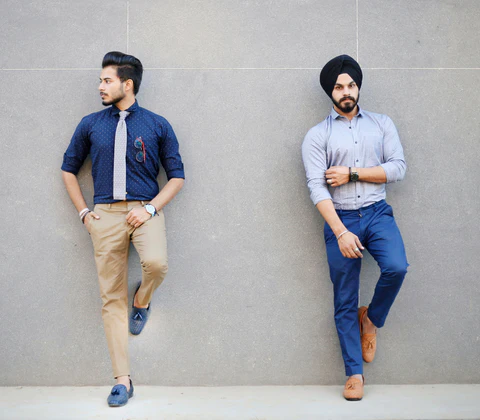
Men may wear dress shirts with trousers without ties.
Women may wear blouses with trousers or skirts.
Blazers can elevate business casual looks.
Avoid jeans, sneakers, or casual t shirts.
Business casual still requires polish.
Dressing for Creative & Startup Interviews
Creative roles allow personal style expression.
However, professionalism should remain intact.
Choose smart casual outfits.
Add subtle personal style elements.
Avoid overly casual clothing.
Creative confidence should remain respectful.
Grooming & Personal Hygiene
Grooming is as important as clothing.
Hair should be clean and neatly styled.
Beards should be trimmed and maintained.
Nails should be clean and short.
Avoid strong perfumes or fragrances.
Maintain fresh and clean appearance.
Good grooming signals attention to detail.
Accessories & Jewelry Guidelines
Accessories should complement outfits.
Avoid noisy or flashy jewelry.
Watches should be simple.
Limit rings and bracelets.
Professional accessories enhance appearance subtly.
Makeup & Hairstyling Tips
Makeup should be minimal and natural.
Avoid bold colors or heavy styling.
Hair should not cover eyes or face excessively.
Professional grooming enhances confidence.
Interview Dress for Virtual Interviews
Virtual interviews require equal attention to presentation.
Wear professional attire from top to bottom.
Choose solid colors that appear well on camera.
Avoid distracting patterns.
Ensure proper lighting.
Maintain clean background.
Virtual professionalism matters.
Camera Presence & Virtual Body Language
Sit upright and centered on camera.
Maintain eye contact by looking at the camera lens.
Avoid slouching.
Use natural facial expressions.
Virtual presence reflects confidence.
Posture & Body Language
Posture influences perceived confidence.
Sit or stand upright.
Avoid crossed arms.
Use open and relaxed posture.
Lean slightly forward to show engagement.
Confident posture enhances communication.
Facial Expressions & Eye Contact
Smile naturally when greeting.
Maintain appropriate eye contact.
Avoid staring or looking distracted.
Facial expressions should align with conversation.
Positive expressions build rapport.
Hand Gestures & Movement
Use controlled hand gestures.
Avoid fidgeting or playing with objects.
Hands should remain visible and relaxed.
Balanced gestures support speech clarity.
Walking & Greeting Etiquette
Walk confidently into interview rooms.
Offer firm but polite handshakes when appropriate.
Greet interviewers respectfully.
First moments create lasting impressions.
Presentation Through Speech & Tone
Dress and presentation extend to communication style.
Speak clearly and confidently.
Maintain moderate speaking pace.
Avoid filler words.
Professional tone complements appearance.
Interview Day Preparation
Prepare outfit in advance.
Iron clothes properly.
Polish shoes.
Check grooming details.
Avoid last minute dressing stress.
Preparation boosts confidence.
Dressing for Different Interview Types
Technical interviews require professional dressing.
HR interviews demand polished appearance.
Client facing roles require formal presentation.
Senior roles expect executive level dressing.
Adjust attire based on role expectations.
Cultural Sensitivity in Interview Dressing
Global organizations may involve diverse cultures.
Dress modestly and respectfully.
Avoid culturally inappropriate clothing.
Cultural awareness reflects professionalism.
Common Interview Dressing Mistakes
Over casual clothing.
Excessive accessories.
Wrinkled or ill fitted clothes.
Strong perfumes.
Distracting patterns.
Avoiding mistakes improves impressions.
Presentation Tips for Freshers
Freshers should aim for clean and simple outfits.
Avoid over styling.
Focus on neat grooming.
Professional basics work best.
First impressions matter for entry level roles.
Presentation Tips for Experienced Professionals
Show maturity and leadership presence.
Choose high quality fabrics.
Maintain executive grooming.
Experience should reflect through presence.
Dressing for Remote & Hybrid Roles
Even remote roles require professional presentation.
Virtual interviews assess discipline.
Professional appearance builds trust.
Remote readiness includes presentation.
Weather Appropriate Dressing
Dress comfortably according to weather.
Avoid sweating or discomfort.
Layer clothing if necessary.
Comfort supports confidence.
Confidence & Self Image
Confidence improves presentation.
Well chosen attire boosts self esteem.
Practice positive self talk.
Confidence reflects outwardly.
Interview Dress Checklist
Clean and ironed outfit.
Appropriate footwear.
Neat grooming.
Minimal accessories.
Professional posture.
Prepared documents.
Checklist ensures readiness.
Long Term Professional Dressing Habits
Invest in quality wardrobe basics.
Maintain grooming routines.
Adapt style as career grows.
Professional image evolves over time.
Impact of Presentation on Hiring Decisions
Presentation influences credibility.
Supports perceived competence.
Reinforces professionalism.
Complements communication skills.
Strong presentation enhances selection chances.
Balancing Authenticity & Professionalism
Remain authentic in style.
Avoid forced appearances.
Professional authenticity builds trust.
Future Trends in Interview Presentation
Virtual interviews will dominate.
Personal branding will influence appearance.
Professional image on digital platforms will matter.
Presentation standards will evolve digitally.
Conclusion
Interview dress and presentation are powerful tools that significantly influence hiring outcomes. While skills and experience determine job capability, appearance and presentation shape first impressions and perceived professionalism. A well dressed and confident candidate demonstrates respect for the opportunity and readiness for workplace responsibilities.
From choosing appropriate attire and maintaining grooming standards to mastering posture, body language, and virtual presence, every presentation detail contributes to interview success. Whether attending in person interviews or virtual meetings, professional appearance builds confidence and credibility.
By preparing thoughtfully, understanding company culture, and presenting yourself with confidence and authenticity, you can enhance your interview performance and stand out positively in competitive hiring environments. Remember, your presentation speaks before you do — make sure it communicates professionalism, confidence, and readiness for success.