
Introduction
Resume writing is one of the most important steps in the job search process. A resume is often the first interaction between a candidate and an employer, making it a powerful tool for creating a strong professional impression. In competitive job markets where recruiters receive hundreds of applications for a single role, a well written resume can determine whether you get shortlisted or overlooked.
A resume is not just a document listing qualifications and work experience. It is a strategic marketing tool that highlights your value, achievements, skills, and potential contributions to an organization. Effective resume writing requires clarity, structure, customization, and alignment with employer expectations.
Modern hiring processes also rely heavily on technology. Applicant Tracking Systems scan resumes for keywords before recruiters review them manually. This makes resume writing both an art and a science, combining compelling storytelling with technical optimization.
This comprehensive guide explores resume writing tips, formatting strategies, content structuring, keyword optimization, design best practices, and common mistakes to avoid to help you create a powerful, job winning resume.
Understanding the Purpose of a Resume
The primary purpose of a resume is to secure an interview opportunity. It should communicate your professional value quickly and effectively.
Recruiters want to know who you are, what you have accomplished, what skills you possess, and how you can contribute to their organization. A strong resume answers these questions clearly within seconds of scanning.
Understanding this purpose helps candidates focus on relevance rather than unnecessary details.
Choosing the Right Resume Format
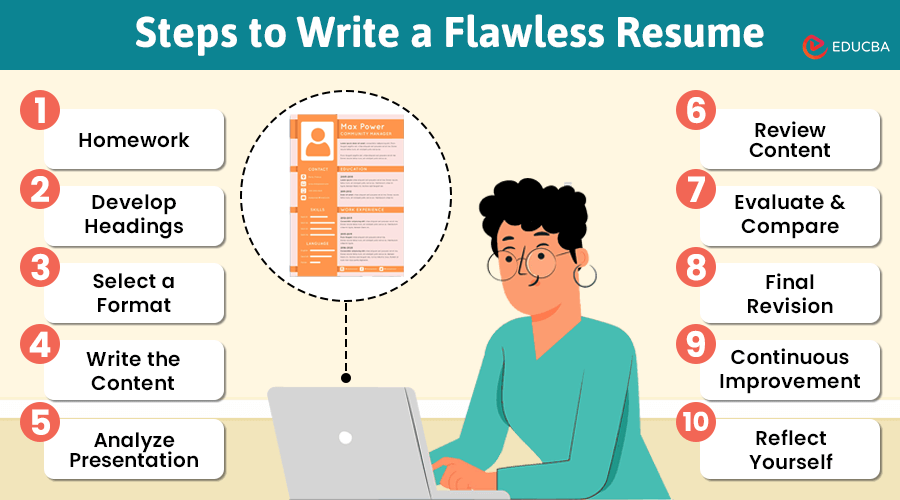
Selecting the correct format is the foundation of effective resume writing.
Chronological resumes highlight work history in reverse order and suit experienced professionals.
Functional resumes focus on skills rather than employment timelines and are useful for career changers.
Hybrid resumes combine both skills and work experience, offering balanced representation.
Choosing the right format ensures your strengths are showcased effectively.
Writing a Strong Resume Headline
A resume headline is a brief statement summarizing your professional identity.
It should include your job role, specialization, and experience level.
A strong headline immediately communicates value.
For example, “Senior Graphic Designer | Branding & UI Specialist” is more impactful than simply writing “Graphic Designer.”
Crafting an Effective Professional Summary
The professional summary appears at the top of the resume and provides a snapshot of your career profile.
It should include years of experience, industry expertise, major achievements, and key competencies.
Keep it concise yet powerful.
Avoid generic phrases such as “hardworking” or “team player” without evidence.
A compelling summary captures recruiter attention instantly.
Structuring the Work Experience Section
Work experience is the most critical part of a resume.
List roles in reverse chronological order.
Include company name, job title, and tenure.
Focus on achievements rather than routine responsibilities.
Use action verbs such as led, developed, implemented, or optimized.
Quantify results whenever possible to demonstrate measurable impact.
For example, “Increased sales revenue by 30 percent within six months” is stronger than “Responsible for sales growth.”
Highlighting Key Skills
The skills section should align closely with job requirements.
Include both technical and soft skills.
Technical skills may include tools, software, or specialized knowledge.
Soft skills include communication, leadership, and problem solving.
Avoid listing irrelevant or outdated skills.
Relevant skills improve recruiter matching and ATS screening.
Education Details Presentation
Include degrees, institutions, and graduation years.
Mention honors or academic distinctions if relevant.
Freshers may expand on coursework or academic projects.
Experienced professionals should keep education concise.
Certifications & Professional Training
Certifications validate specialized expertise.
List industry recognized credentials relevant to your role.
Include issuing organization and completion year.
Certifications enhance credibility and employability.
Including Projects & Portfolio Work
Projects showcase practical application of skills.
Include project objectives, tools used, and outcomes achieved.
Creative and technical professionals should add portfolio links.
Project evidence strengthens your professional narrative.
Using Keywords for ATS Optimization
Many employers use ATS software to filter resumes.
These systems scan for keywords related to job descriptions.
Incorporate relevant skills, tools, and certifications naturally.
Avoid keyword stuffing but ensure proper inclusion.
ATS optimized resumes have higher shortlist chances.
Resume Design & Layout Tips
Design should enhance readability, not distract.
Use clean fonts and consistent formatting.
Maintain adequate spacing and margins.
Use bullet points instead of long paragraphs.
Avoid excessive colors or graphics unless applying for creative roles.
Professional layouts create positive impressions.
Resume Length Guidelines
Freshers should aim for one page.
Mid career professionals may extend to two pages.
Senior executives may require longer CV formats.
Avoid unnecessary expansion.
Concise resumes perform better in recruiter scans.
Customizing Resumes for Each Job
Generic resumes reduce interview chances.
Customize skills, keywords, and summaries for each role.
Align achievements with job expectations.
Tailored resumes demonstrate genuine interest and relevance.
Writing Powerful Bullet Points
Bullet points improve readability.
Start with action verbs.
Focus on outcomes and contributions.
Keep statements concise yet impactful.
Well structured bullets enhance scanning efficiency.
Adding Achievements & Awards
Recognition strengthens your profile.
Include employee awards, performance recognitions, or competition wins.
Achievements differentiate you from other candidates.
Addressing Employment Gaps
Be transparent about gaps.
Highlight learning, freelancing, or certifications completed during that time.
Position gaps as growth periods rather than inactivity.
Resume Writing Tips for Freshers
Focus on internships and academic projects.
Highlight certifications and technical skills.
Include extracurricular leadership roles.
Freshers must showcase learning potential and enthusiasm.
Resume Writing Tips for Experienced Professionals
Highlight leadership achievements.
Showcase revenue growth, cost savings, or productivity improvements.
Focus on strategic contributions.
Experience driven resumes must emphasize impact.
Career Change Resume Strategies
Highlight transferable skills.
Include reskilling certifications.
Showcase cross industry projects.
Career change resumes require repositioning experience strategically.
Remote Job Resume Tips
Highlight remote collaboration tools.
Mention distributed team experience.
Demonstrate self management and digital communication skills.
Remote readiness strengthens candidacy.
Action Verbs to Strengthen Resume Content
Use dynamic verbs such as led, executed, delivered, optimized, accelerated, and transformed.
Strong verbs convey ownership and initiative.
Quantifying Achievements
Numbers validate performance.
Include percentages, revenue figures, and timelines.
Quantification builds credibility and trust.
Common Resume Mistakes to Avoid
Spelling and grammar errors.
Overly lengthy content.
Irrelevant work history.
Unprofessional email addresses.
Lack of measurable achievements.
Avoiding these mistakes improves professionalism.
Proofreading & Editing
Review resumes multiple times.
Use grammar checking tools.
Seek peer or mentor feedback.
Error free resumes reflect attention to detail.
Using Resume Writing Tools
AI resume builders assist formatting.
Keyword analyzers improve ATS compatibility.
Grammar tools refine language quality.
Digital tools enhance resume effectiveness.
Digital Resume & Online Profiles
Maintain updated professional networking profiles.
Align resume content with online presence.
Consistency strengthens employer trust.
Building a Master Resume
Maintain a comprehensive resume with all experiences.
Customize extracts for each job application.
Master resumes simplify tailoring processes.
Resume Writing for Global Opportunities
Highlight international exposure.
Include language proficiency.
Align formatting with global hiring standards.
Global readiness expands career opportunities.
Resume Updates & Maintenance
Update resumes regularly.
Add new achievements and certifications.
Remove outdated information.
Continuous updates ensure readiness.
Future Trends in Resume Writing
Video resumes are gaining popularity.
AI screening is becoming more advanced.
Portfolio based hiring is increasing.
Skill assessments may replace traditional resumes.
Professionals must adapt to evolving formats.
Final Resume Writing Checklist
Strong headline and summary.
Relevant skills and keywords.
Achievement focused experience.
Professional formatting.
Error free content.
Portfolio links where applicable.
Checklist validation ensures readiness.
Conclusion
Resume writing is a strategic process that combines storytelling, branding, and technical optimization to create powerful job applications. In modern recruitment ecosystems driven by ATS systems and recruiter scanning behavior, well crafted resumes significantly improve interview conversion rates.
By focusing on achievements, customizing applications, integrating keywords, and maintaining professional formatting, candidates can position themselves competitively in crowded job markets. Whether you are a fresher starting your career or an experienced professional seeking advancement, effective resume writing remains a critical career skill.
Your resume represents your professional identity on paper. Invest time in crafting it thoughtfully, updating it consistently, and optimizing it strategically to unlock job opportunities, career growth, and long term professional success.